
Did you know that nearly 1 in 5 adults in the United States experience mental illness each year? Seeking help is a sign of strength, not weakness. The National Institute of Mental Health suggests that various options are available to address mental health issues, including therapy and medication.

Understanding the available mental wellness resources can be overwhelming, but it’s a key step towards recovery. This article will give you an overview of the different types of mental health support. It aims to help you make informed decisions about your care.
Key Takeaways
- Understanding the importance of seeking help for mental health issues
- Exploring the various mental health support options available
- Learning how to access mental wellness resources
- Recognizing the role of therapy and medication in mental health care
- Taking the first step towards recovery with the right support
The Current State of Mental Health in America
Mental health in America is a big concern that needs quick action. Many people in the U.S. face mental health issues, affecting their families too.
The Growing Mental Health Crisis
The National Institute of Mental Health says many Americans deal with mental illness. This shows we need more awareness and support. The mental health crisis is getting worse, with more people struggling with anxiety, depression, and other issues. It’s clear we need better emotional wellbeing services.
Breaking the Stigma Around Seeking Help
It’s important to break the stigma around getting help for mental health. We need to create a culture where talking about mental health is okay. This way, we can support counseling for mental health better.
Here are some ways to do this:
- Educate people about mental health
- Make mental health services more accessible
- Share personal stories of overcoming mental health challenges
By doing these things, we can build a society that values mental health and wellbeing for everyone.
Comprehensive Mental Health Support Options
Today, there are many ways to get mental health support. People can find what works best for them. These services range from talking to a therapist in person to online help.
Traditional In-Person Therapy Services
Seeing a therapist in person is a common choice. It offers a safe and familiar setting. Benefits include getting personal attention and feeling a real connection.
Online Therapy and Telepsychiatry
Online therapy and telepsychiatry are great for those who prefer not to meet in person. They let you get help from home. Virtual therapy sessions are perfect for those with tight schedules or living far away.
Support Groups and Peer Counseling Networks
Support groups and peer counseling focus on community. They let people share their stories and connect with others. Key benefits are feeling part of a community and learning from others.
| Support Option | Key Features | Benefits |
| Traditional In-Person Therapy | Face-to-face interaction, personalized attention | Comfort, security, direct human connection |
| Online Therapy and Telepsychiatry | Virtual sessions, convenience, accessibility | Flexibility, comfort of own space, reduced travel time |
| Support Groups and Peer Counseling | Community-based, shared experiences, peer support | Sense of belonging, learning from others, emotional support |
The National Alliance on Mental Illness (NAMI) says, “Support groups can be a lifeline for many.” This shows how vital it is to have many support options.
Top Online Therapy Platforms for Mental Health Support
Online therapy platforms have changed how we get mental health help. They offer easy and accessible services. This meets the growing need for mental health support.
BetterHelp
Overview
BetterHelp is a big name in online therapy. It offers many counseling services. Users can find therapists for issues like anxiety, depression, and relationship problems.
Pros
- Convenient: It’s easy to fit therapy into your busy life with BetterHelp’s flexible scheduling.
- Affordable: It’s cheaper than traditional therapy sessions.
- Wide range of therapists: You can find a therapist who fits your needs from a large network.
Cons
- Limited insurance coverage: It doesn’t accept insurance, but offers a sliding scale fee.
- Technical issues: Some users face technical problems.
Features
BetterHelp has many features, including:
- Unlimited messaging
- Live sessions
- Progress tracking
Recommendations
BetterHelp is great for those looking for affordable and convenient therapy. But, it might not be enough for severe mental health issues.
Talkspace
Overview
Talkspace is another well-known online therapy platform. It offers personalized counseling services. Users can pick from a network of licensed therapists and schedule sessions as needed.
Pros
- Personalized matching: Talkspace matches users with therapists based on their needs.
- Flexible plans: It offers different plans, including messaging and live sessions.
- Insurance coverage: Some insurance providers cover Talkspace.
Cons
- Limited therapist availability: Finding available therapists can be hard for some users.
- Cost: It might be pricier than other online therapy platforms.
Features
Talkspace has features like:
- Personalized therapy plans
- Live sessions
- Progress tracking
Recommendations
Talkspace is good for those wanting personalized therapy. But, it might not be the best choice for those on a tight budget.
Cerebral
Overview
Cerebral focuses on treating mental health issues like anxiety and depression. It provides therapy sessions and helps with medication management.
Pros
- Comprehensive care: Cerebral offers a full approach to mental health, including therapy and medication.
- Convenient: It’s easy to use and accessible.
- Expertise: Its clinicians are skilled in treating many mental health conditions.
Cons
- Limited availability: Cerebral’s services aren’t available in all states.
- Cost: It can be more expensive than other online therapy options.
Features
Cerebral offers features such as:
- Therapy sessions
- Medication management
- Progress tracking
Recommendations
Cerebral is a good choice for those seeking thorough mental health treatment. But, it might not be affordable for everyone.
Mental Health Apps and Digital Tools
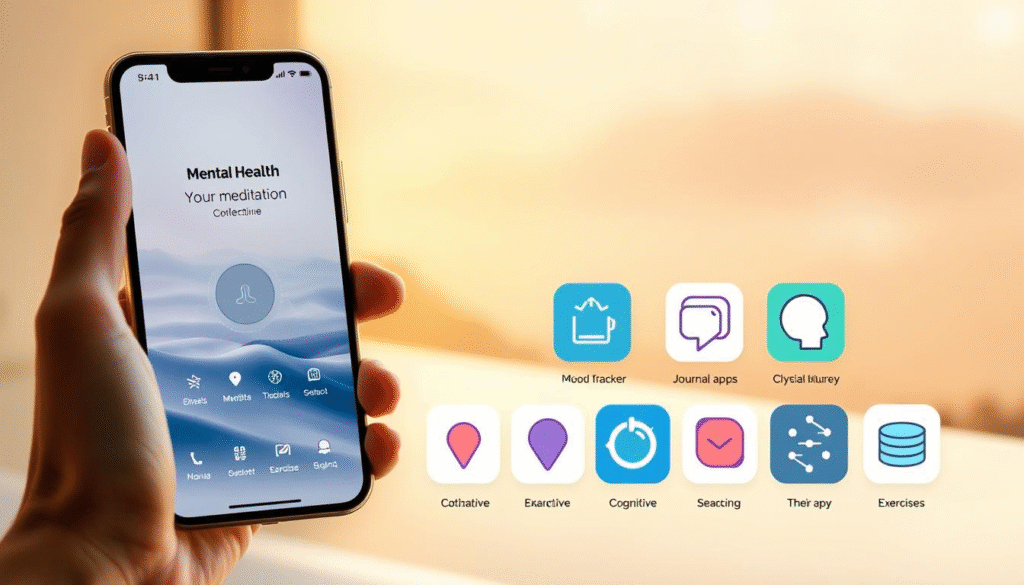
Mental health apps have changed how we get help for our minds. They offer meditation, mood tracking, and therapy sessions. This makes managing our mental health easier.
Calm
Overview
Calm is a top app for mental health. It has guided meditation and sleep stories. It helps users relax and sleep better.
Pros
- Guided Meditations: Calm has meditations for relaxation and focus.
- Sleep Stories: The app’s sleep stories help users fall asleep faster.
Cons
- Limited Free Content: While Calm has some free stuff, most premium features need a subscription.
- Repetitive Content: Some users find the content repetitive over time.
Features
Calm has Calm Masterclass for deep meditation and mindfulness. It also has Calm Kids for children’s mental health.
Recommendations
Calm is great for those who want a full meditation and relaxation app. It’s perfect for sleep issues.
Headspace
Overview
Headspace is a well-known app for meditation and mindfulness. It offers personalized meditation sessions based on your goals.
Pros
- Personalized Meditations: Headspace tailors meditations to your specific goals, like stress or focus.
- User-Friendly Interface: The app is easy to use and navigate.
Cons
- Cost: Headspace requires a subscription, which might deter some.
- Limited Content for Advanced Users: Some advanced users might find the content too basic.
Features
Headspace has Focus and Move for concentration and activity. It also uses animations to explain meditation benefits.
Recommendations
Headspace is perfect for beginners in meditation and mindfulness. It’s also good for those who want a structured program.
Woebot
Overview
Woebot uses AI for emotional support and CBT techniques.
Pros
- 24/7 Support: Woebot offers support anytime, making it great for immediate help.
- CBT Techniques: The app uses CBT to help manage thoughts and emotions.
Cons
- Limited Human Interaction: As an AI app, Woebot lacks human interaction, which some find less engaging.
Features
Woebot tracks mood and offers personalized conversations. It helps users understand their emotions.
Recommendations
Woebot is good for those who need immediate emotional support and are interested in CBT.
Moodfit
Overview
Moodfit helps users track their mood and manage stress with various tools and resources.
Pros
- Mood Tracking: The app lets users track their mood over time, giving insights into their mental state.
- Customizable: Moodfit offers tools and resources tailored to the user’s needs.
Cons
- User Interface: Some find the interface complex and hard to navigate.
Features
Moodfit has mood tracking, journaling, and mindfulness exercises.
Recommendations
Moodfit is good for those who want to track their mood and manage stress with various tools and resources.
| App | Primary Focus | Key Features |
| Calm | Meditation, Sleep | Guided Meditations, Sleep Stories |
| Headspace | Meditation, Mindfulness | Personalized Meditations, Animations |
| Woebot | Emotional Support, CBT | Mood Tracking, AI Conversations |
| Moodfit | Mood Tracking, Stress Management | Mood Tracking, Journaling, Mindfulness Exercises |
“Mental health apps are not a replacement for traditional therapy, but they can be a valuable supplement for those seeking additional support.”
— Mental Health Professional
Crisis Resources and Emergency Mental Health Services
When you’re in a mental health emergency, knowing where to go can save your life. Crisis resources and emergency mental health services offer quick help for those in severe need.
These services are there to help in tough times. They show how important it is to have support for those who need it.
988 Suicide and Crisis Lifeline
The 988 Suicide and Crisis Lifeline is a key resource for those in crisis. Dialing 988 connects you with crisis counselors who offer confidential help 24/7. It’s essential for those feeling suicidal or in a mental health emergency.
This lifeline is more than a number; it’s a beacon of hope. It links you with local help and provides immediate support, making you feel less alone in a crisis.
Crisis Text Line
If you’d prefer texting, the Crisis Text Line is a safe, confidential option. Texting HOME to 741741 connects you with crisis counselors for help in tough times.
This service is great for younger people or those who might not want to call during a crisis. It’s a discreet, easy way to get help.
SAMHSA’s National Helpline
SAMHSA’s National Helpline is also vital, providing referrals to local treatment and support groups. Calling 1-800-662-HELP (4357) gives you info on mental health and substance abuse services.
This helpline is a doorway to many mental health resources. It helps you find the right care and support you need.
Insurance Coverage and Affordable Mental Health Support
Knowing what your insurance covers is key to getting mental health help without spending too much. It can be tough to figure out, but it’s important for getting the care you need.

Navigating Mental Health Insurance Benefits
Most health insurance plans must cover mental health services like therapy and counseling. To use your benefits well, know what your plan covers. This includes copays, deductibles, and how many sessions you can have. Check your policy and talk to your provider to understand what’s included.
Key steps to navigate mental health insurance benefits:
- Review your insurance policy documents
- Contact your insurance provider for clarification
- Ask about copays, deductibles, and session limits
Employee Assistance Programs (EAPs)
Many employers have Employee Assistance Programs (EAPs). These offer free or low-cost mental health support to employees. EAPs usually give a few counseling sessions. Check with your HR to see if your company has an EAP.
Low-Cost and Free Mental Health Resources
If you don’t have insurance or have limited coverage, there are options. Community mental health centers, non-profit groups, and online resources often offer help at little or no cost. Some online therapy sites also charge based on how much you make.
Examples of low-cost resources include:
- Community mental health centers
- Support groups
- Online therapy platforms with sliding scale fees
By understanding your insurance and looking into these resources, you can get the mental health support you need without spending too much.
Specialized Mental Health Support Services
Mental health support is not a one-size-fits-all solution. Different groups have unique needs that require special care. This is why specialized services are so important.
The Trevor Project for LGBTQ+ Youth
The Trevor Project is a key resource for LGBTQ+ youth. It offers crisis intervention and support. This organization provides a safe space for young people to talk about their feelings and get guidance.
The Trevor Project’s services include a 24/7 hotline, online support groups, and educational resources. It’s a complete support system for LGBTQ+ youth.
Veterans Crisis Line and VA Mental Health Services
Veterans face special mental health challenges, like PTSD and depression. The Veterans Crisis Line offers 24/7 support for veterans in crisis. It provides confidential help.
The VA also offers mental health services, including counseling and therapy. These services are key for veterans’ mental health.
BIPOC Mental Health Resources
BIPOC individuals often face barriers when trying to get mental health care. Organizations that offer culturally sensitive resources are vital. They help address the unique mental health needs of BIPOC communities.
Postpartum Support International
Postpartum Support International helps those with postpartum mental health issues. It offers support groups, online resources, and professional referrals. Access to these resources can greatly improve mental health outcomes for new parents.
These specialized mental health support services show the need for tailored care. By providing targeted support, these organizations help people get the care they need to thrive.
How to Choose the Right Mental Health Support Option
Finding the right mental health support can be tough. But it’s key to getting better. With so many options, knowing what you need and what’s available is important.
Assessing Your Specific Needs
Start by figuring out what you need. Think about if you want therapy, support groups, or psychiatric help. Also, consider if you prefer talking to someone in person or online. Knowing what you need helps you find the right fit.

Questions to Ask When Evaluating Services
When looking at mental health services, ask important questions. Find out about the providers’ qualifications and the treatments they offer. Also, ask about their confidentiality policies, costs, and insurance coverage. This info helps you make a smart choice.
Red Flags and Warning Signs
Watch out for red flags when picking a mental health service. Be wary of promises that seem too good to be true or services that are secretive about their methods. Also, avoid places with bad reviews or unprofessional communication. Trust your gut and do your homework before deciding.
By understanding your needs, asking the right questions, and watching for red flags, you can choose the best mental health support for you.
Conclusion
Seeking mental health support is key to healing. We’ve looked at many ways to get help, from in-person therapy to online services and apps.
Accessing these resources is very important. They offer vital support for those facing mental health issues. Knowing what’s out there helps people choose the right care for them.
It’s important to remember that mental health support varies for everyone. Some might need crisis help, while others need specialized services or a supportive community.
In conclusion, having access to mental health support is essential for well-being. Using these resources is the first step towards a healthier life.
Sources
For more on mental health support and resources, check out these credible sources. They offer valuable insights and guidance.
The National Institute of Mental Health (NIMH) has a wealth of information. They cover various mental health conditions, treatment options, and research findings.
The Substance Abuse and Mental Health Services Administration (SAMHSA) offers mental health services resources. They also have a National Helpline (SAMHSA’s National Helpline).
Visit the Mental Health America website for more. It has info on mental health conditions, treatment options, and advocacy efforts.
These resources are a great starting point for those seeking support and guidance on their mental health journey.
FAQ
What are the benefits of seeking mental health support?
Seeking mental health support can greatly improve your emotional wellbeing. It can also reduce symptoms of mental health conditions. This support can make your life better overall.Mental health services, like counseling and online therapy, give you the tools to manage your mental health. They help you cope with challenges.
How do I access mental health support services?
You can find mental health support in many ways. You can go to in-person therapy or use online platforms. Support groups and hotlines are also available.For example, the 988 Suicide and Crisis Lifeline is always ready to help. Mental health apps and digital tools can also offer support.
What are the differences between online therapy platforms?
Online therapy platforms like BetterHelp, Talkspace, and Cerebral have different features and prices. Some focus on specific issues, like anxiety or depression. Others offer a wide range of services.It’s important to compare these platforms to find the best fit for you. This ensures you get the support you need.
Are mental health apps and digital tools effective?
Mental health apps and digital tools, such as Calm and Headspace, can be helpful. They offer guided meditations and mood tracking. They also provide strategies for coping.But, it’s important to check if these tools are credible and effective for you. They might not work for everyone.
How can I access affordable mental health support?
To find affordable mental health support, check your insurance benefits. Use Employee Assistance Programs (EAPs) if you can. Look for low-cost or free resources online.Some online therapy platforms and mental health apps also offer affordable options. This makes support more accessible.
What specialized mental health support services are available?
There are specialized services for different groups, like LGBTQ+ individuals and veterans. Organizations like The Trevor Project and Veterans Crisis Line offer specific support.Postpartum Support International helps those dealing with mental health issues after childbirth. These groups provide tailored help and resources.
How do I choose the right mental health support option?
To pick the right support, think about what you need. Look at the services offered and consider cost, accessibility, and therapist qualifications. Be cautious of red flags, like unlicensed therapists.Choosing the right support is important for your mental health. It helps you find the best fit for your needs.
What crisis resources are available for immediate support?
Crisis resources like the 988 Suicide and Crisis Lifeline are available 24/7. They offer immediate help during mental health crises. These resources can provide critical support and connect you with local services.